Raptor training in Muswellbrook, thanks to Glencore Mangoola
Raptor training in Muswellbrook, thanks to Glencore Mangoola
13 November 2026
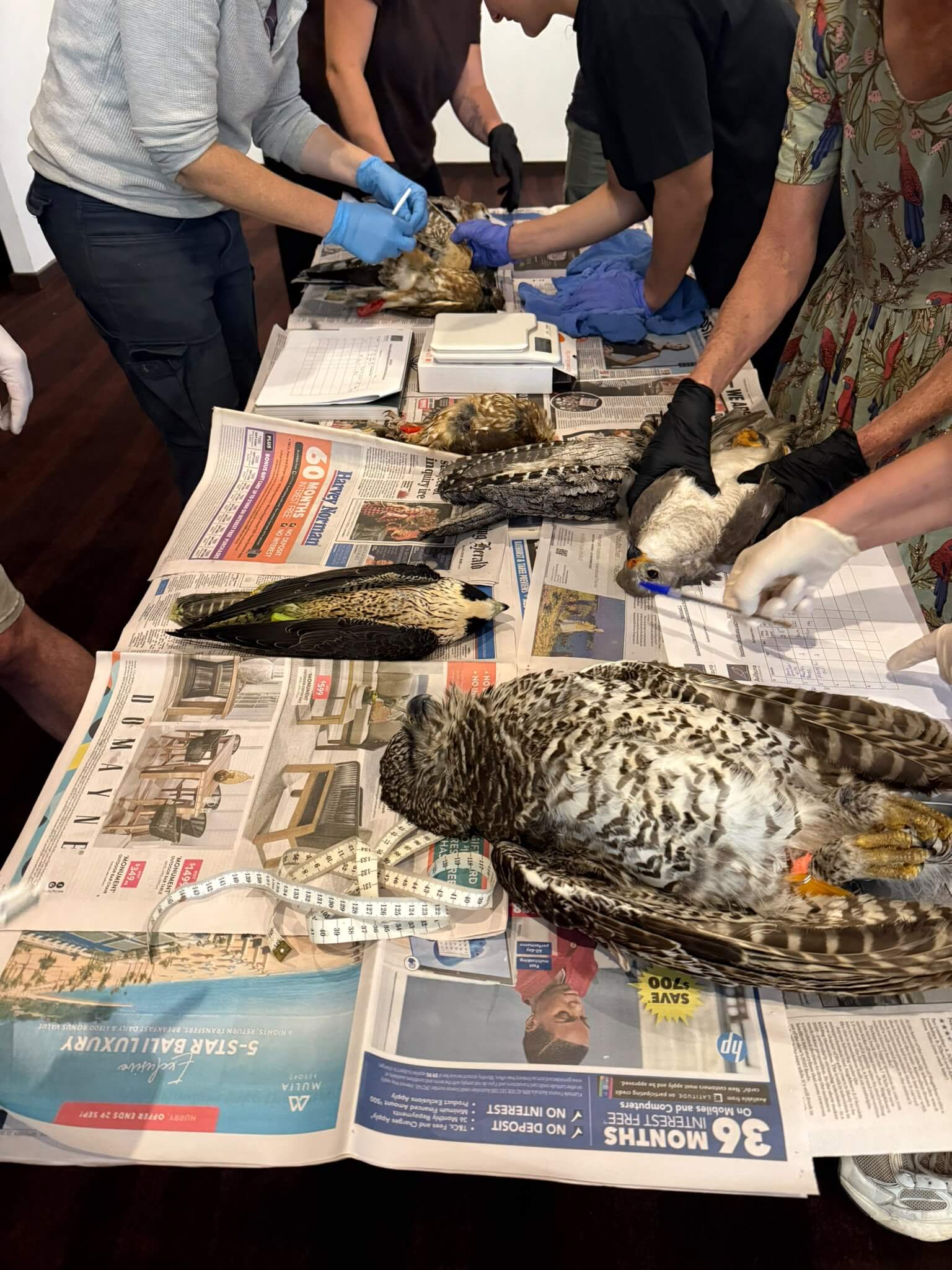
Thanks to a community grant from Glencore Mangoola, Hunter Wildlife Rescue has run raptor training in Muswellbrook, giving more Upper Hunter volunteers the skills to rescue and care for injured birds of prey.
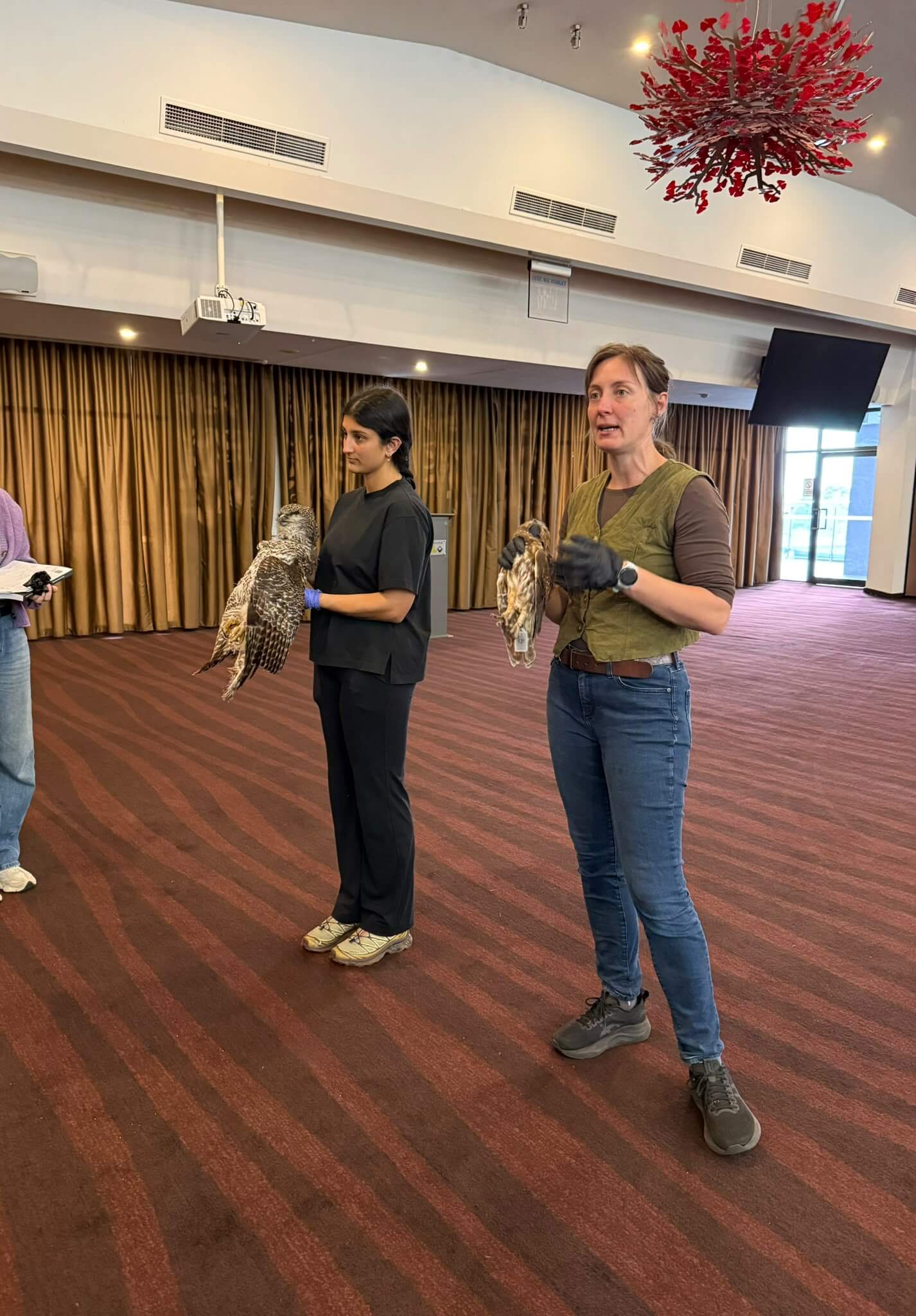
Over the weekend of 31 October and 1 November 2026, bird rescuers and carers gathered at Muswellbrook RSL Club for two days of specialist raptor rescue and rehabilitation training.
Why raptors need specialist care
Australia is home to 36 species of raptors, including eagles, hawks, falcons, kites and owls, and according to WIRES at least 17 of them are listed as threatened. As top predators, birds of prey keep populations of mammals, reptiles, birds and insects in check. Healthy raptor numbers are a sign of a healthy ecosystem.
They face many threats, including habitat loss, climate change, poisoning, illegal persecution, vehicle strikes, invasive species and falling prey numbers. Every raptor we rescue, rehabilitate and release helps keep the Upper Hunter’s ecosystems in balance.
Raptors are also among the most challenging native animals to rescue. Their talons and beaks are built for catching prey, and an injured, frightened bird can seriously hurt the person trying to help it. They stress easily too, so poor handling or a long delay before care can reduce their chance of release. That’s why raptor rescue calls for advanced, specialist training.
What the training covered
Glencore Mangoola’s support provided 12 of our members from the Muswellbrook LGA with the training, raptor transport crates and fuel vouchers to help cover the long drives that rescues involve.
The course was designed for active bird rescuers and carers who already have at least six months’ experience with birds in care or bird rescues, and who want to take their raptor rescue and rehabilitation skills further.
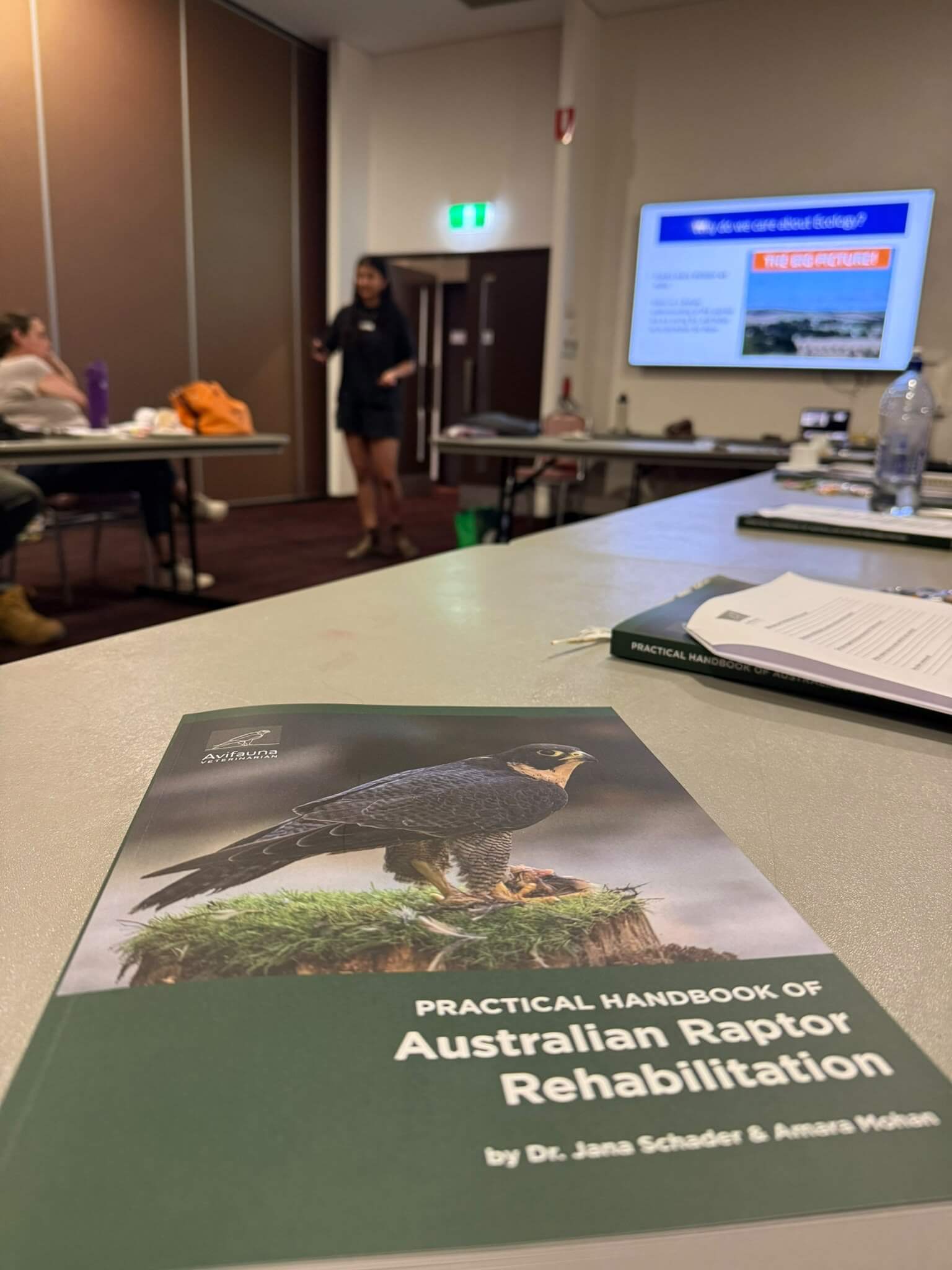
Over two days, participants learned from specialised trainers, and each took home a comprehensive raptor training workbook to keep building their skills after the course.
Why it matters for the Upper Hunter
Hunter Wildlife Rescue covers more than one million hectares across six local government areas, including Muswellbrook and Singleton. In a region this large, distance is a real barrier. When a raptor is found near Muswellbrook, Denman or Sandy Hollow, having trained volunteers close by means the bird gets help sooner and spends less time stressed and in pain.
Our volunteers cover big distances every day. A single raptor rescue can mean collecting the bird, driving it to a vet (sometimes as far as Sydney), then on to a specialist carer. Running the training locally means experienced bird carers in the Upper Hunter can build these skills close to home, then share them with other rescuers over time.
The power of corporate support
Hunter Wildlife Rescue is 100% volunteer-run and receives no government funding. Since 1978, our volunteers have rescued and cared for native wildlife across the Hunter, providing more than $2.78 million in free services to the community each year.
Training, equipment, food and medical supplies all cost money. Support from local businesses like Glencore Mangoola is what allows us to keep skilling up volunteers and responding to calls on our 24/7 Rescue Line.
We’re sincerely grateful to Glencore Mangoola for investing in wildlife care in the Muswellbrook community.
Could your business help? Corporate partners can support us through grants, sponsorship, workplace giving, donations of goods, or volunteer days. To start a conversation, email fundraising@hunterwildlife.org.au.
Want to help?
- Report injured native animals to our 24/7 Rescue Line: 0418 628 483
- Volunteer with us: hunterwildlife.org.au/volunteers
- Donate to support our work: hunterwildlife.org.au/donate