Fourteen Months to Freedom: A Sea Eagle’s Journey Home
Fourteen Months to Freedom: A Sea Eagle’s Journey Home
10 October 2026
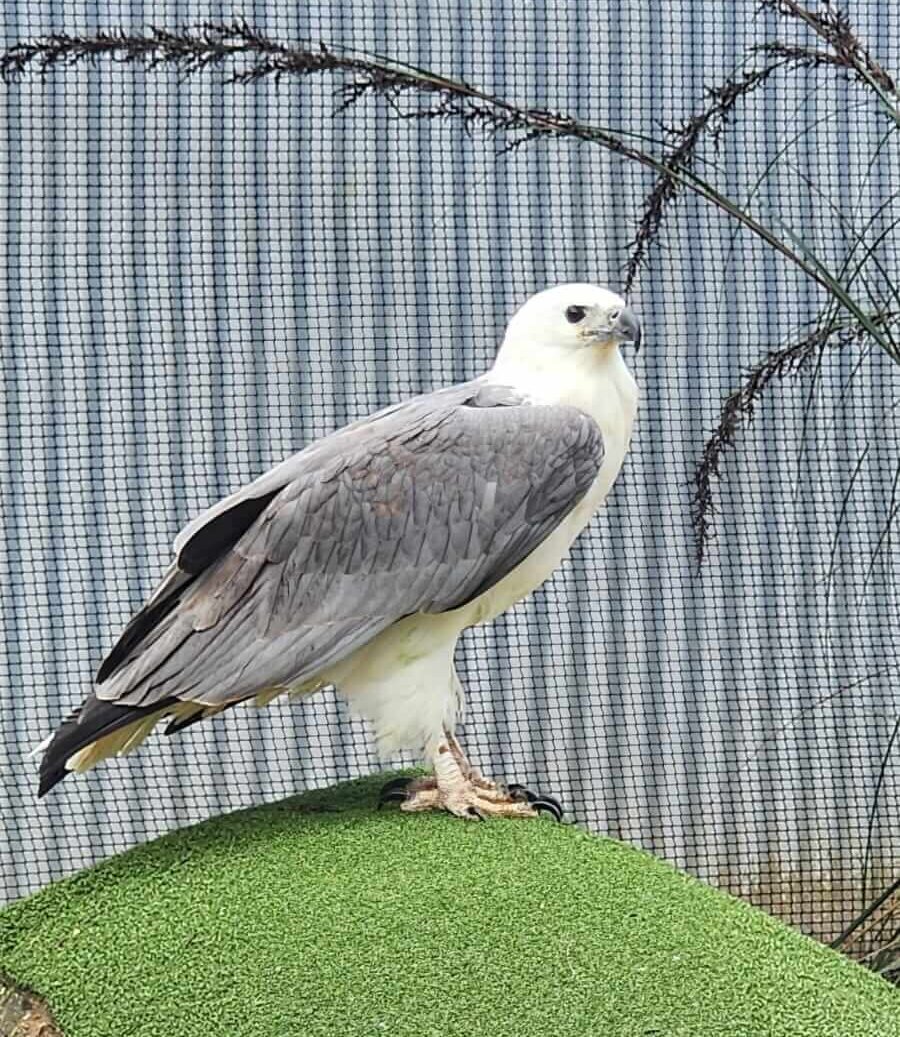
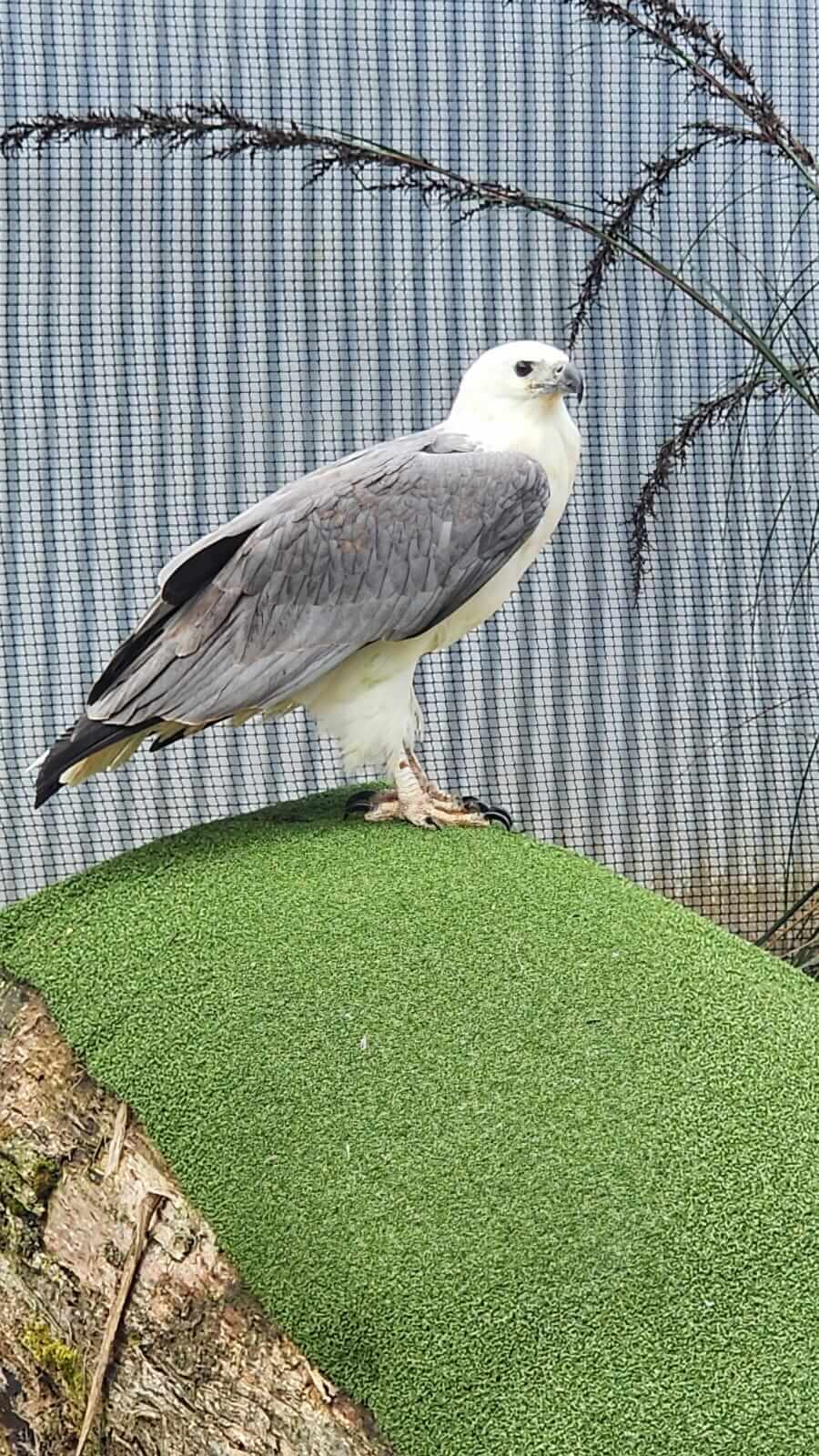
On 9 October 2026, after more than 14 months in care, a White-bellied Sea Eagle spread its wings over Balcolyn and flew free.
It was one of the longest raptor rehabilitations Hunter Wildlife Rescue has been part of. Getting this bird back into the sky took a rescuer, two hospitals, a specialist raptor team, a dedicated vet and many hundreds of kilometres on the road. This is its story.
A bird that couldn’t fly
On 27 July 2025, Hunter Wildlife rescuer Jim responded to a call about a sea eagle sitting on the ground. Sea eagles are powerful, wary birds, and a healthy one would simply have lifted off and flown away as he approached.
This one didn’t. Instead, it leapt into the lake in a desperate attempt to escape. It was a clear sign the eagle couldn’t fly, and that it urgently needed help.
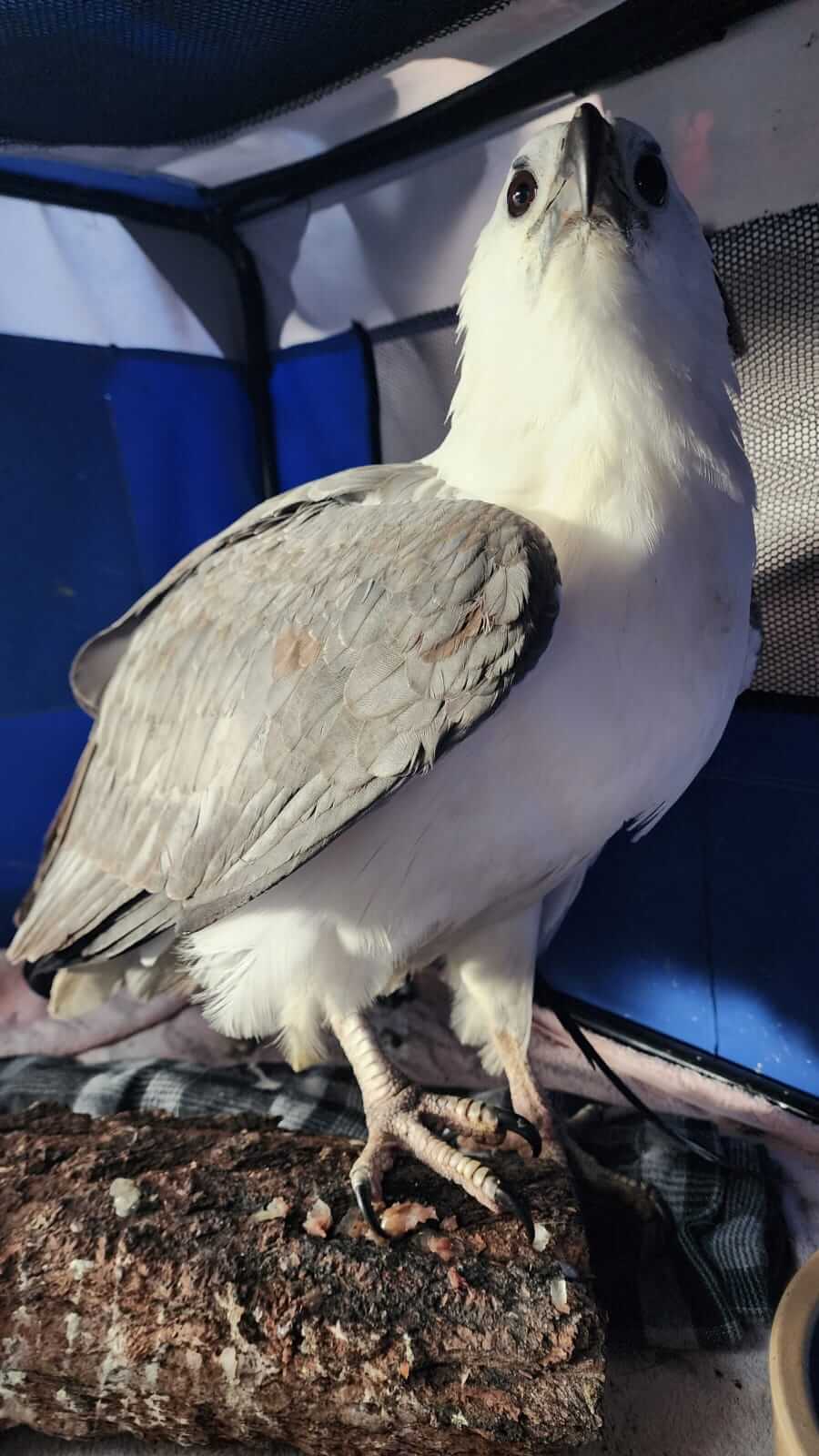
Jim safely recovered the bird and brought it into Hunter Wildlife Rescue’s care, where it received initial treatment and was kept warm, quiet and stable.
The long road to recovery
No single organisation could have done this alone. Each stage of the eagle’s recovery was handled by people with the right skills and facilities for that stage.
July 2025 – Rescue
Rescue and initial care by Hunter Wildlife Rescue team. X-rays and assessment by Dr Cassie McPherson
August 2025 – Rehabilitation
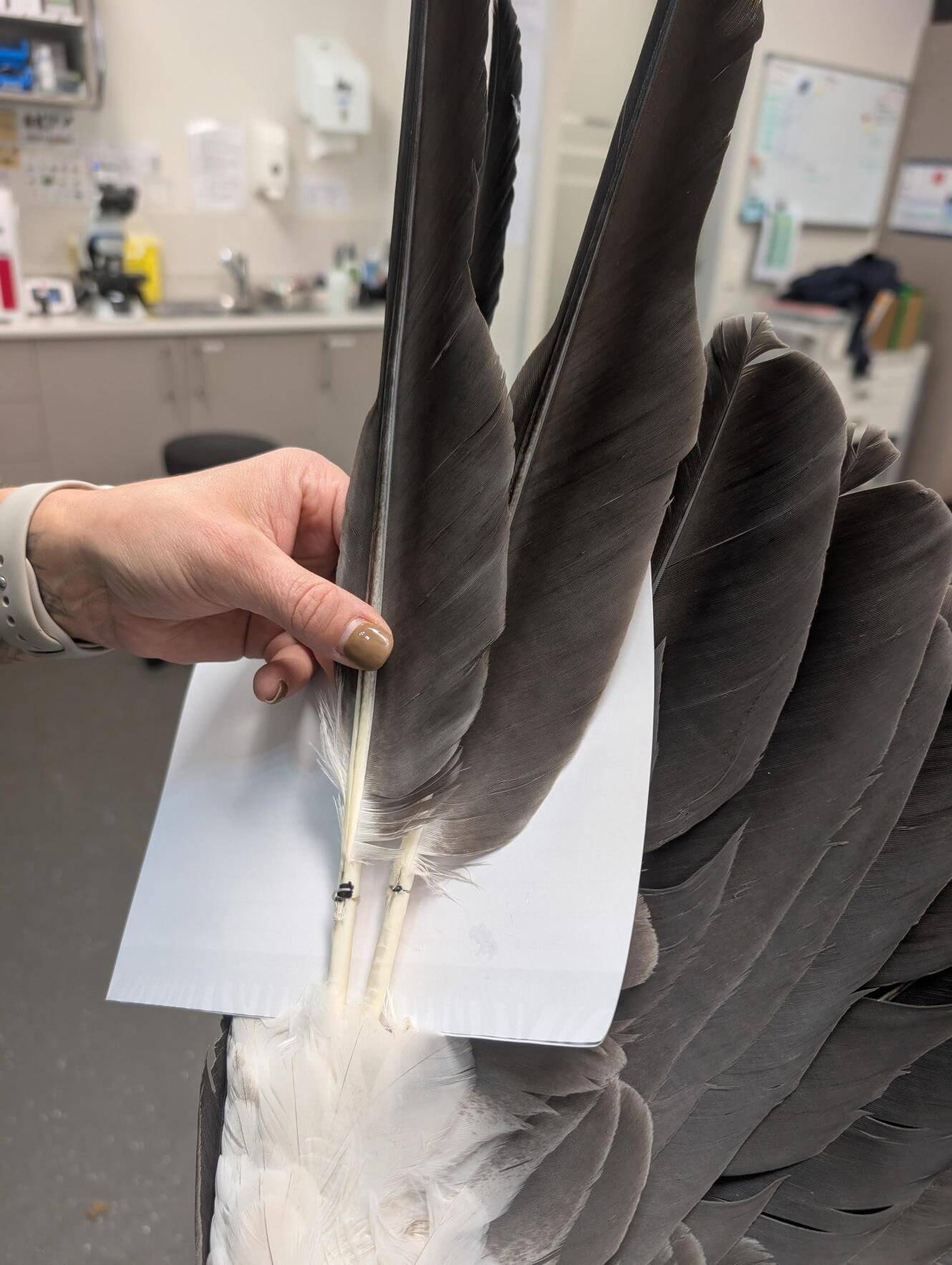
Intensive care by Taronga Wildlife Hospital then long-term rehabilitation at WIRES Raptor rehabilitation centre at Fitzroy Falls. Raptor rehab is specialised work. Large birds of prey need big flight aviaries to rebuild strength and fitness, and careful handling to keep them wild. Regular ongoing checks, imping and vaccination by Dr Charlie, Southern Highlands Vet Centre
Throughout its time there, Dr Charlie at Southern Highlands Vet Centre carried out regular health checks to make sure the bird was on track.
October 2026 – Release
Release at Balcolyn, Lake Macquarie.
Borrowed feathers and a bird flu vaccine
Two parts of this eagle’s care are worth a closer look.
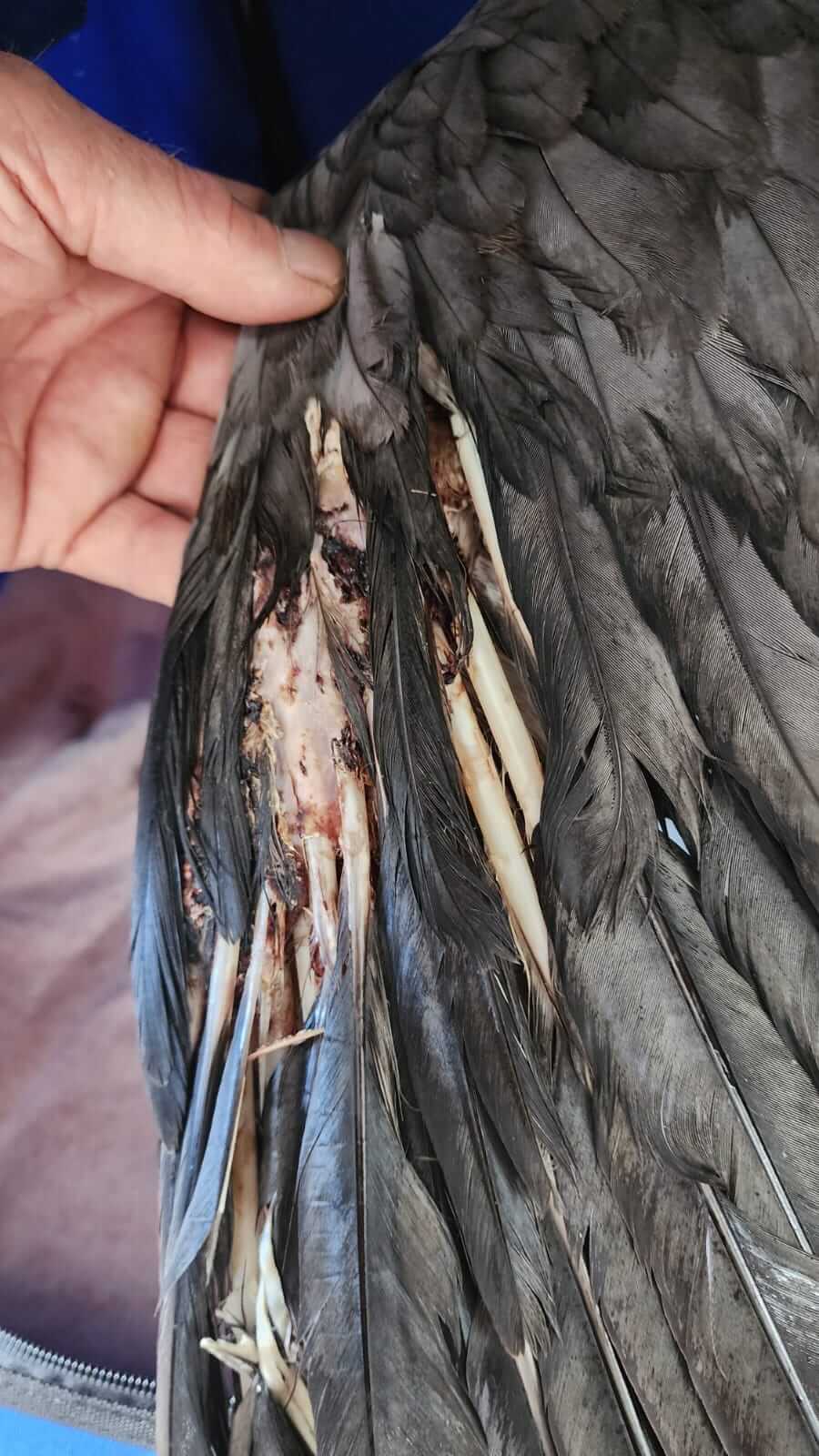
Imping. Short for “implanting”, imping is a technique that has been used with birds of prey for centuries. Damaged or broken flight feathers are trimmed, and a matching donor feather is attached to the remaining shaft. It means a bird doesn’t have to wait months for a full moult to regrow its feathers before it can fly properly. HWR helped by supplying feathers for the procedure.
H5N1 vaccination. The H5N1 strain of avian influenza has caused mass deaths among wild birds, including raptors, overseas. Vaccinating this eagle before release gives it an extra layer of protection as it returns to the wild.
Home at last
On 9 October 2026, the eagle was brought back to Balcolyn for release. After more than 14 months of care, the moment the box opened and it took to the sky was one none of us will forget.
Thank you
A huge thank you to everyone who made this outcome possible:
- Jim, for the rescue
- Dr Cassie McPherson, for the initial X-rays
- Taronga Wildlife Hospital, for intensive care
- The WIRES Raptor Rescue team at Fitzroy Falls, for months of patient rehabilitation
- Dr Charlie and Southern Highlands Vet Centre, for ongoing checks, imping and vaccination
This is what wildlife rescue looks like at its best: volunteers and professionals working together, for as long as it takes.
How you can help
If you see injured, sick or orphaned wildlife, call Hunter Wildlife Rescue on [hotline number]. Every rescue starts with someone who stops to help.
Care like this takes time, fuel, equipment and specialist vet work. If you’d like to support our volunteers, you can donate here.