Plovers Australia Are Starting To Nest
Plovers Australia Are Starting To Nest
22 September 2026
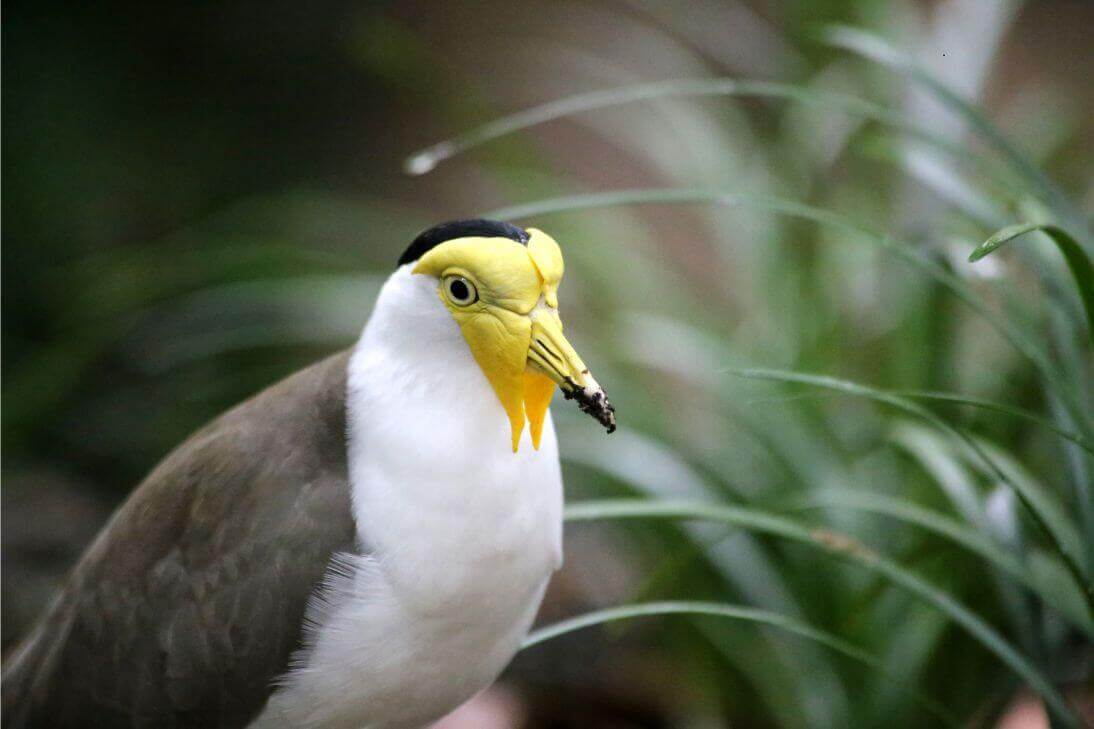
Masked lapwings (plovers) start to nest across the Hunter in September and October each year. Their eggs and chicks are protected by law, and moving them without a permit is illegal. Here’s what to do instead.
Why are plovers nesting on my lawn, oval or driveway?
Masked lapwings (commonly called plovers) are ground-nesting birds. From late winter through spring, warming weather and rain trigger breeding, and pairs choose open, flat spots with a clear line of sight to spot approaching danger early — ovals, nature strips, driveways, carparks, building sites, and even flat roofs. It isn’t bad luck if one turns up on your property; it’s exactly the kind of spot they’re built to pick.
Eggs take about 28 days to hatch, and once they do, the chicks are up and following their parents within hours. It’s a short disruption, not a season-long one.
Masked lapwings (commonly called plovers) are ground-nesting birds. From late winter through spring, warming weather and rain trigger breeding, and pairs choose open, flat spots with a clear line of sight to spot approaching danger early — ovals, nature strips, driveways, carparks, building sites, and even flat roofs. It isn’t bad luck if one turns up on your property; it’s exactly the kind of spot they’re built to pick.
Eggs take about 28 days to hatch, and once they do, the chicks are up and following their parents within hours. It’s a short disruption, not a season-long one.
Is it illegal to move a plover nest, eggs or chicks?
Yes. Masked lapwings are a native species protected under the NSW Biodiversity Conservation Act 2016. It’s an offence to harm, harass, chase or interfere with a protected native animal, and that includes moving eggs or a nest, without a licence from the NSW National Parks and Wildlife Service (NPWS).
Even with good intentions, relocating a nest usually backfires: the parent birds rarely follow it, and the eggs are abandoned. Any legal relocation has to be assessed case by case, arranged through a permitted wildlife rehabilitator, and handled by someone experienced — it isn’t a DIY job.
What should I do if a nest is somewhere risky or inconvenient?
- Fence it off, don’t move it. A star picket and tape, an upturned crate, or even a chair or table placed over the nest keeps mowers, dogs, foxes and cars away while still letting the parents access it.
- Reroute around it. If it’s on a path, driveway or worksite, mark a temporary detour rather than touching the eggs.
- Mow and drive around it, not over it — nests are easy to miss in longer grass.
- Contact us for advice on 0418 628 483 if the nest is somewhere genuinely unworkable (an active construction site, a busy road). We can talk through options and, where relocation truly is warranted, connect you with a permitted operator.
- Sit tight. With eggs hatching in about four weeks and chicks mobile within hours, most “problem” nests resolve themselves faster than people expect.
Why do plovers swoop, and how do I stay safe?
Swooping is a defensive bluff, not an attack. A nesting plover will screech, flap and dive at anything it sees as a threat, or fake a broken wing to lure you away from the nest. Actual contact is rare, and the spur on their wing — despite the myth — isn’t poisonous.
To get past a swooping plover safely:
- Don’t make eye contact or walk straight at it; angle your path around the nest instead.
- Wear a hat or carry an umbrella if you have to pass close by.
- Keep dogs on a lead and give the area a wide berth.
- Remember it’s temporary: swooping drops off sharply once the chicks can fly, within a few weeks of hatching.
Frequently Asked Questions
Can I move the eggs myself if the nest is in a dangerous spot?
No. Moving eggs or a nest without an NPWS licence is illegal, and it usually causes the parents to abandon them anyway. Fence the nest off in place instead.
What if the nest is on an active construction site or sports field we need to use?
Call us on 0418 628 483. We’ll talk through options for that specific site — in most cases a fenced exclusion zone around the nest is enough until the chicks fledge.
How long until the nest is no longer a problem?
About four weeks to hatch, and the chicks are mobile within hours of hatching. Most sites are clear again well within a couple of months.
Is it true plover spurs are poisonous?
No, that’s a myth. The wing spur can occasionally cause a scratch, but it carries no venom.
A plover keeps swooping at me on my daily walk — what do I do?
Avoid eye contact, don’t approach the nest directly, and take a different route if you can. Wearing a hat helps if you must pass close by.
I found an injured plover chick or adult — who do I call?
Our 24/7 Rescue Line: 0418 628 483.
Can I just leave the nest alone and hope for the best?
Yes, that’s usually the right call. Give it space, keep pets and mowers away, and let the parents do their job.