THREATS TO WILDLIFE
Avian Influenza H5N1
H5 high pathogenicity avian influenza (H5 bird flu) has been confirmed in Australia. Before June 2026, there were no confirmed cases of H5 bird flu on the Australian mainland. Detections so far have been in migratory seabirds, with no confirmed cases in poultry and no evidence of large-scale animal deaths at this stage.
The situation is developing. We are monitoring official guidance closely and updating this page as new information becomes available.
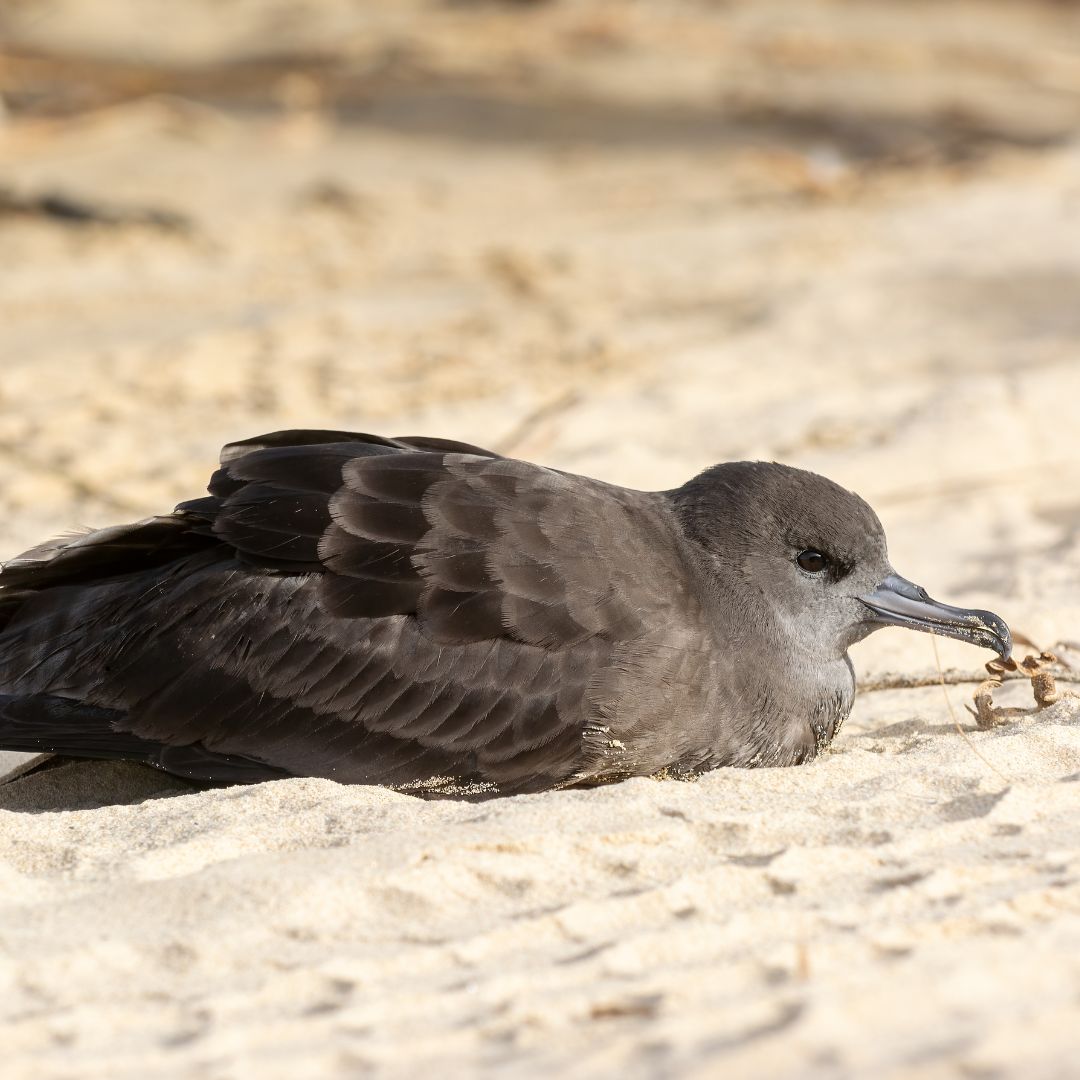
The impact to Australian wildlife
H5 bird flu is not new globally. Large-scale outbreaks have already killed millions of animals worldwide, affecting more than 500 bird species and 80 mammal species.
H5N1 HPAI — the most contagious and deadly strain of bird flu — has already killed millions of animals globally, affecting more than 500 bird species and 80 mammal species. On Heard Island, a remote Australian territory, it wiped out an estimated 13,000 elephant seal pups in a single season.
If the virus becomes established in Australian wildlife, experts warn it may not be possible to eradicate. There is currently no treatment, and animals can deteriorate and die very quickly.
What this means for wildlife rescuers
The NSW Government has advised that the wildlife rehabilitation sector is not expected to play an active operational role during an H5 bird flu incursion in NSW. Our volunteers follow all current government biosecurity directives.
If you find a sick or injured native animal and are unsure what to do, please call our 24/7 Rescue Line on 0418 628 483 before handling the animal. Our team will advise you on the safest course of action.
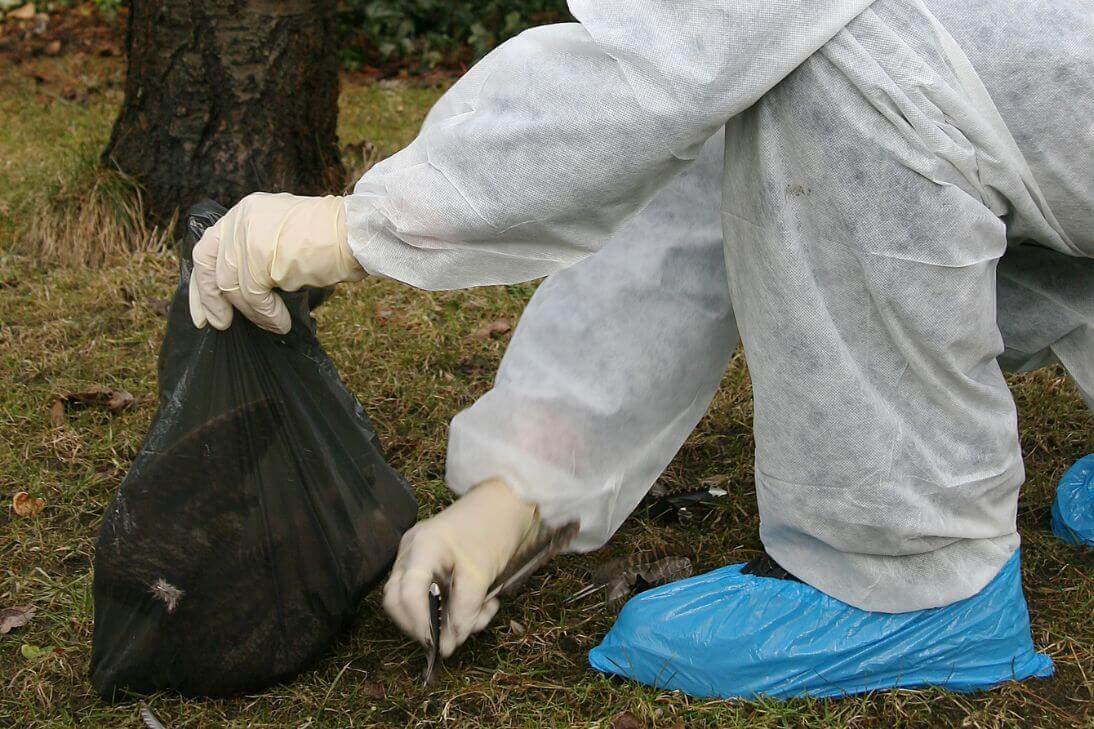
How you can help protect our native wildlife
- Report sick or dead birds and wildlife to the Emergency Animal Disease Hotline: 1800 675 888
- Keep pets away from wildlife and prevent them from touching or eating sick or dead birds
- Do not feed wild birds, which can increase congregation and disease spread
- Support wildlife rescue and rehabilitation — our volunteers are on the front line every day
The best way to protect our native wildlife is to ensure there are strong, healthy populations across multiple locations — which means continuing and increasing the work already underway to protect and recover our imperilled species.
Stay informed
The situation is evolving rapidly. For the most current information:
Australian Government DAFF: birdflu.gov.au
NSW DCCEEW: dcceew.gov.au
Wildlife Health Australia: wildlifehealthaustralia.com.au
Emergency Animal Disease Hotline: 1800 675 888