SPECIES WE RESCUE

Koalas

Keeping The Hunter’s Koalas Wild Through Rescue & Rehabilitation

Koalas still call parts of Newcastle, Lake Macquarie and the Hunter Valley home but threats are mounting from habitat loss, vehicle strikes, dog attacks, heat stress, disease, and the everyday risks that come with living close to people.

From September 2024 to January 2025 alone, there were 22 calls for koala rescue in the Hunter. As the threats intensify and calls for help increase, our bills keep mounting. Any support you could provide is greatly appreciated.
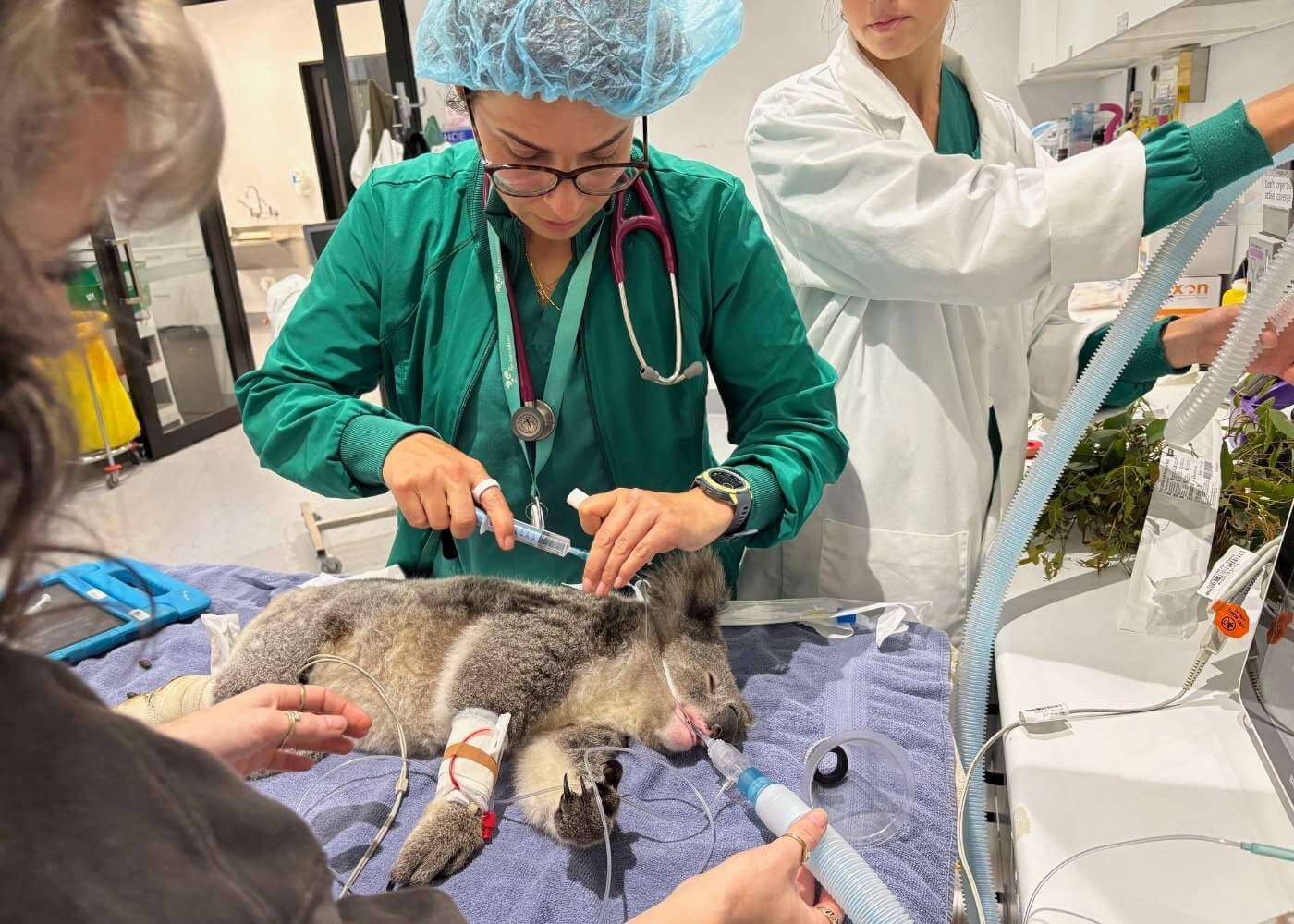
koala rescue surgery donation

The Growing Threats Facing Koalas in the Hunter

Koala rescue is not just “one animal at a time”… it’s a window into what’s happening across the landscape. In Newcastle, Lake Macquarie and the Hunter Valley, koalas can be impacted by:

With Your Support, We Can Continue Helping Koalas & Other Native Animals Return To The Wild
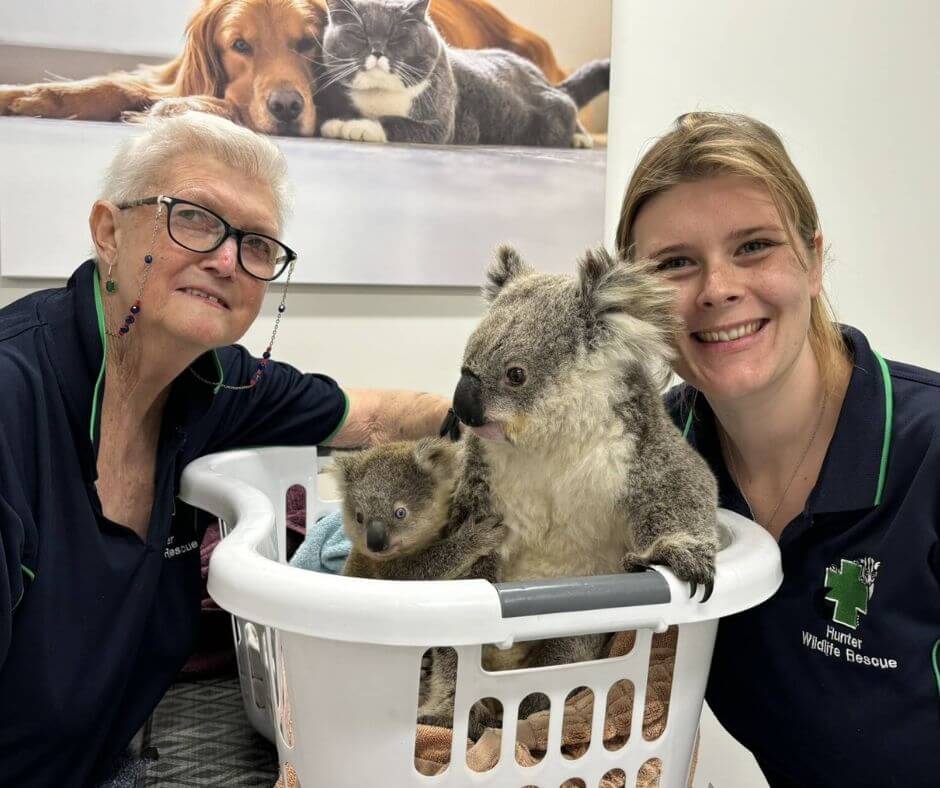
Wildlife Volunteer with koalas

How you can help

You can help save a life and make a real difference for wildlife across the Hunter region.

Report

Report A Rescue

Report injured, sick or orphaned wildlife.

Become A Volunteer

Step up for wildlife and volunteer with us.

Donate To Help

Every dollar saves lives. Donate today.

Frequently Asked Questions

Have questions about helping koalas? Learn what to do, how to help, and where to get support here.e
If you see a koala on the ground:

  1. Keep a safe distance. Koalas can become stressed if approached too closely.
  2. Keep dogs and people away. Dog attacks are a major threat to koalas.
  3. Observe the koala from a distance. If it appears healthy, it may simply be moving between trees.
  4. If the koala appears injured, lethargic, or in danger, contact a wildlife rescue organisation immediately.
  5. Do not attempt to pick up or handle a koala unless you are trained to do so.
Koalas are arboreal animals that spend most of their lives in trees, but they regularly come down to the ground to move between trees. This is completely normal behaviour.

However, koalas are often seen on the ground when they are:

  • Moving between feeding trees
  • Crossing roads or open areas
  • Searching for a mate during breeding season
  • Displaced due to habitat loss or development
  • Injured, sick or dehydrated
  • If a koala appears weak, confused, injured, or remains on the ground for long periods, it may need help and should be reported to a wildlife rescue organisation.

Roads frequently cut through koala habitat. When koalas move between feeding trees or habitat areas, they may have to cross roads or highways.

Vehicle strikes are unfortunately one of the leading causes of death for koalas in many parts of New South Wales.

Koalas are particularly at risk:

  • At night
  • During breeding season when males travel further
  • In areas where habitat has been fragmented by development

Drivers are encouraged to slow down in koala habitat areas, especially at night.

Yes, please call our 24/7 rescue line on 0418 628 483. Even if a koala has died, it is still important to report it to a wildlife rescue organisation or the relevant authority.

Reports of deceased koalas help wildlife rescue organisations, researchers and government agencies understand where koalas are living and what threats they are facing. It can help us identify vehicle strike hotspots, check for surviving joeys, monitor for diseases and monitor koala populations.

Signs a koala may need help include:

  • Sitting on the ground and not climbing
  • Obvious injuries or bleeding
  • Difficulty moving or climbing
  • Wet or dirty fur (possible illness)
  • Discharge from the eyes
  • Being attacked by dogs or threatened by traffic

If you notice any of these signs, please report the koala immediately.

Koalas occur across several parts of the Hunter region where suitable habitat remains.

Some of the areas where koalas are reported include:

  • Lake Macquarie
    • Cooranbong
    • Seahampton
    • Killingworth
    • Teralba
  • Newcastle
    • Minmi
    • Wallsend bushland areas
  • Cessnock region
    • Freemans Waterhole
    • Stockrington
  • Maitland region
    • bushland corridors and rural properties
  • Upper Hunter
    • Muswellbrook and surrounding forests

Koalas often move between bushland areas, so sightings can also occur in suburban streets, backyards and along road corridors.

The Latest From Our Koala Team